


India’s central bank is once again advocating for tighter restrictions on the banking sector’s involvement with cryptocurrencies, signaling a cautious stance as the country works toward a comprehensive digital asset policy.
According to reports, senior officials from the Reserve Bank of India (RBI) presented their recommendations to the Parliamentary Standing Committee on Finance, urging lawmakers to adopt measures that insulate banks and financial institutions from crypto-related risks while preserving innovation in regulated tokenized assets.
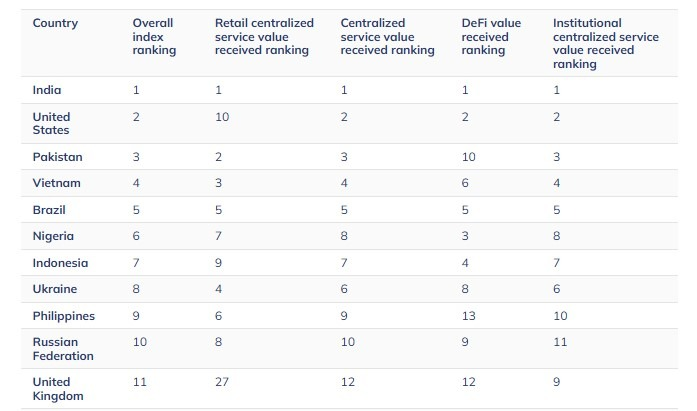
Chainalysis’ 2025 Global Crypto Adoption Index. Source: Chainalysis
RBI Favors Containment Over Integration
In its submission to policymakers, the RBI reportedly argued that preventing cryptocurrencies from becoming part of the country’s payment and settlement infrastructure remains a viable policy option.
The central bank recommended restricting banks and regulated financial institutions from direct exposure to cryptocurrencies and privately issued stablecoins, warning that deeper integration with the traditional financial system could increase systemic risk.
Officials also cautioned that regulating cryptocurrencies in the same manner as traditional financial products could unintentionally give speculative digital assets a perception of legitimacy among retail investors.
Clear Distinction Between Crypto and Tokenization
Despite its cautious position on cryptocurrencies, the RBI emphasized that tokenization should not be affected by any future restrictions.
The central bank reportedly encouraged policymakers to clearly distinguish cryptocurrencies from tokenized financial instruments such as government securities, corporate bonds, and other regulated assets. Doing so would allow India to continue developing blockchain-based financial infrastructure without encouraging speculative crypto activity.
India Remains a Major Crypto Market
The renewed policy debate comes despite India’s growing role in the global digital asset ecosystem.
The country recently ranked first in Chainalysis’ 2025 Global Crypto Adoption Index, highlighting strong retail participation across cryptocurrencies. However, RBI officials reportedly questioned the methodology used in private-sector adoption rankings, maintaining that widespread usage does not eliminate the financial risks associated with digital assets.
Echoes of the 2018 Banking Restrictions
The RBI’s latest recommendations closely resemble its controversial 2018 directive that prohibited banks from providing services to crypto businesses.
Although the policy did not ban cryptocurrency ownership or trading, it effectively disconnected crypto exchanges from India’s banking system.
That restriction was overturned by India’s Supreme Court in 2020, with the court ruling that while the RBI had the authority to regulate financial stability, it had not provided sufficient evidence that regulated institutions had suffered harm warranting such sweeping restrictions.
Following the ruling, the RBI clarified that banks could no longer rely on the invalidated circular but could continue enforcing Know Your Customer (KYC), Anti-Money Laundering (AML), and foreign exchange compliance requirements for crypto-related activities.
Why It Matters
India remains one of the world’s largest crypto markets, but regulatory uncertainty continues to shape its future. The RBI’s renewed push to limit banking exposure suggests policymakers remain focused on containing financial risks rather than embracing cryptocurrencies within the traditional banking system. At the same time, the central bank’s support for tokenized financial assets signals that blockchain innovation itself remains a strategic priority, even as crypto regulation becomes increasingly restrictive.