
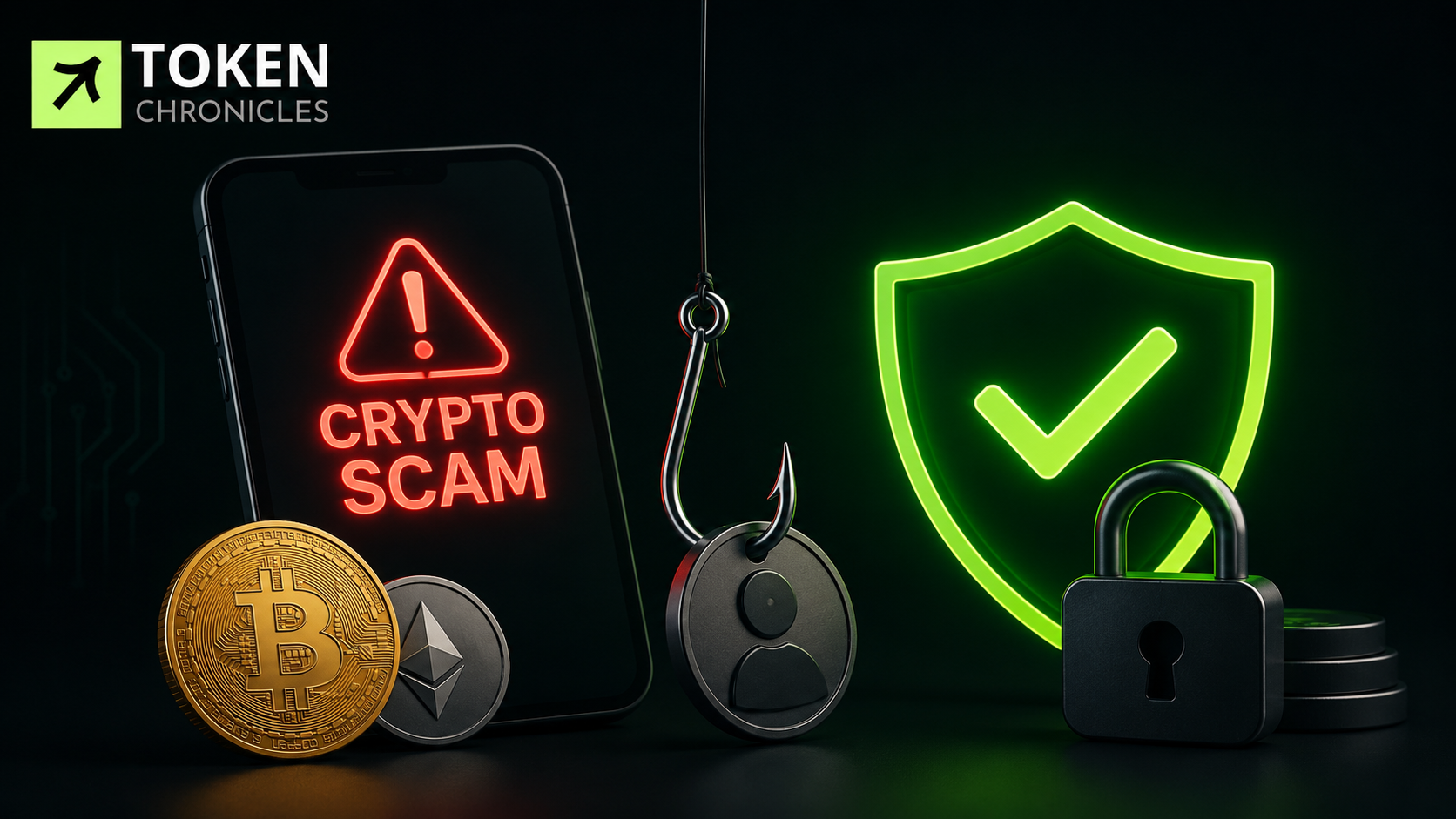
Investors should conduct thorough due diligence before committing money to any cryptocurrency project or investment opportunity. This includes verifying the legitimacy of the company, researching the individuals or organizations involved, understanding how the investment is structured, and determining exactly where the funds will be allocated before making a transfer.
Common crypto scam warning signs include promises of guaranteed or unusually high returns, unsolicited investment proposals, aggressive or high-pressure sales tactics, and projects that lack transparent documentation, credible disclosures, or verifiable information.
Anyone who believes they may have encountered a cryptocurrency scam should stop sending funds immediately and preserve relevant records, including transaction details, messages, websites, and wallet addresses. Suspected fraud can be reported to appropriate authorities such as the Federal Trade Commission (FTC), FBI’s Internet Crime Complaint Center (IC3), U.S. Securities and Exchange Commission (SEC), or the New York Attorney General.
The key takeaway for investors is simple: never let urgency or promises of easy profits replace proper due diligence.