
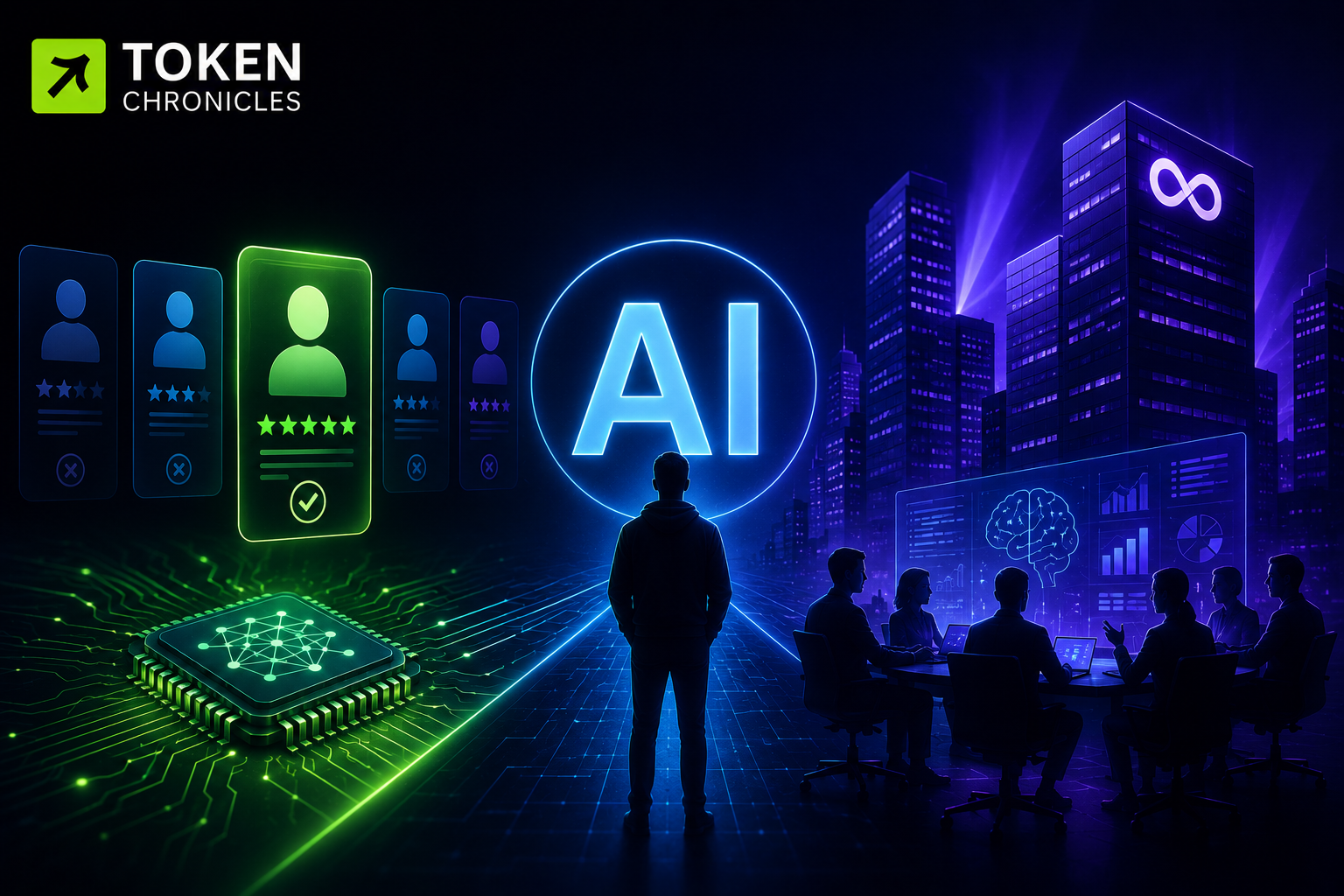
Artificial intelligence is no longer a niche field dominated by researchers and academics. In 2026, AI talent has become one of the most valuable resources in the technology industry, and startups are competing not only with each other but also with some of the world’s largest companies to hire the best people.
For early-stage startups, attracting and retaining AI talent is quickly becoming a major competitive advantage.
The AI Hiring Market Has Changed
The demand for AI professionals has grown far faster than the available talent pool.
Today’s AI workforce includes several specialized roles:
- Research Scientists – Develop new AI models and algorithms.
- Research Engineers – Build infrastructure for training and experimentation.
- Machine Learning Engineers – Deploy models into production environments.
- AI Product Engineers – Create AI-powered applications using foundation models and AI agents.
Understanding these distinctions is essential. Hiring the wrong profile can lead to wasted resources and slower product development.
Big Tech Is the Biggest Competitor
Startups are no longer competing only with other startups.
Technology giants and leading AI labs are offering massive compensation packages, acquiring entire teams, and aggressively recruiting top researchers and engineers.
As a result, the best AI professionals rarely apply through job boards. Most are already employed and receive frequent offers from multiple companies.
Why Traditional Hiring Doesn’t Work
The strongest AI candidates are usually found through:
- Research publications and conferences
- Open-source AI communities
- GitHub contributions
- Specialized AI forums and communities
- Personal referrals and industry networks
Successful startups spend more time building relationships and less time waiting for applications.
Hiring for Real Skills
Traditional coding interviews are often ineffective when evaluating senior AI talent.
Instead, startups are increasingly focusing on:
- Reviewing real-world projects and research
- Discussing technical decisions in depth
- Small practical assignments related to actual work
- Collaborative problem-solving sessions
The goal is to assess how candidates think, build, and make decisions rather than simply testing theoretical knowledge.
How Startups Can Compete
While startups may not match Big Tech salaries, they can offer:
- Greater ownership and meaningful equity
- Faster decision-making and less bureaucracy
- Freedom to experiment and innovate
- Direct impact on products and company growth
- The opportunity to solve ambitious technical challenges
Many experienced AI professionals value these opportunities as much as compensation.
A Practical Hiring Strategy
Founders looking to build strong AI teams should:
- Hire a senior AI leader first and build around them.
- Clearly define the technical challenge and mission.
- Keep hiring processes short and efficient.
- Personally engage with top candidates.
- Expand hiring globally and embrace remote talent.
The Real Competitive Advantage
In 2026, AI hiring is no longer just a recruiting function—it is a strategic priority.
The startups that understand the AI landscape, identify specialized talent early, and create an environment where exceptional people can thrive will be the ones building the next generation of AI products.
In the years ahead, technology will continue evolving rapidly, but the biggest differentiator may not be the models themselves.
It will be the teams capable of building them.